


While we frequently focus on digital tools and EdTech, what about the physical items in your room that impact your students’ focus, energy, and overall mood? In this episode, Brent and Ixchell get physical and discuss how to build a tangible “classroom kit” that can lower the affective filter and set your students up for success.
We talk a lot about tech, but what about the daily items in your classroom that can impact the mood and success of your students. We’re getting physical and discussing how to build a classroom kit for students that can make a difference on this episode of the DIESOL Podcast.
Brent Warner 0:34
Hello, and welcome to the Diesel Podcast, where we focus on developing innovation in English as a second or other language. I’m Brent Warner, professor of ESL and author of a couple of resources, and I’m here with the wonderful Ixchell Reyes, award-winning Indicator Innovation. Lots of good things. I should probably give you the proper introduction in case people are looking for the first time today, but you know, welcome in. You’re hanging out with us as you would normally. So, Ixchell. How are you?
Ixchell Reyes 1:03
Last time I was exuberant.
Brent Warner 1:05
Ooh, yes, that’s right. You were exuberant. No longer faded away.
Ixchell Reyes 1:11
What’s what’s the adjective of that’s a little more intense, intense and exuberant?
JALT
Brent Warner 1:17
Very exuberant.
Ixchell Reyes 1:18
I’m exuberant, dirty, even. That’s because you’re back. You’re back from Japan.
Brent Warner 1:25
I’m back. Yes, welcome back. Me, yeah. I had a good time in Japan, I think. I don’t know if we mentioned this, but I was invited to be, maybe we did. Probably did. I was invited to be a keynote speaker at the JALT Call Conference, which is just great. I tried to get you to go, but you, you would not. You weren’t going for it.
Ixchell Reyes 1:48
I had no money.
Brent Warner 1:51
Fair enough. Fair enough. So, yeah, although you’re almost saving money traveling to Japan right now, almost like it’s…
Ixchell Reyes 2:01
Right now it’s a really good time to go to Japan, so go help the economy.
Brent Warner 2:06
So, a couple very quick things about JALT Call. I met this guy, Bill White, and he was talking to me about the podcast, and he’s like, “Hey, you know, you really scared me. The podcast really scared me, and I’m like,
Ixchell Reyes 2:20
“Listen to the Halloween episode of things, yeah. Oh, jeez.
Brent Warner 2:24
What episode did you listen to? I was kind of like,
Ixchell Reyes 2:26
another world, yeah. Well,
Brent Warner 2:27
that’s.. I’m like, oh god, I’m sorry, like, I didn’t try to, like, I wasn’t trying to, you know, we try to keep things mostly positive, even though there are some really awful things happening, and he’s like, he’s like, yeah, well, I was driving down the road, and then I was, you know, listening to your podcast for the first time, and then all of a sudden, from like right behind me came this,
Ixchell Reyes 2:47
yeah, the one you guys heard, probably about 15 seconds ago, the sound effects.
Brent Warner 2:52
So yeah, so sorry about that, Bill, apologize, not trying to drive you off the road or anything, please be careful of the sound effects, but anyways, yeah, so JALT Call is very cool. It’s a different kind of conference. I noticed that a lot of the teachers are like real DIY tinkers, kind of explorers, and things like that, like they’re all out there building apps, like making their own AI servers, you know, doing, you know, like, like heavy duty engineering, kind of.
Ixchell Reyes 3:23
You’re in Japan, it’s the land of technology,
Brent Warner 3:25
yeah, yeah. So it’s like, so it’s interesting because it’s like that particular conference does seem to be a different vibe, and I mean, yeah, for sure, they’re talking about using tech to help students and all these things, but also is like, okay, like there’s definitely something way different than what I ever see at conferences, you know, even tech conferences around here. CUE, yeah. Nobody, I mean, CUE, like, they’re all cool. Well, CUE’s gone.
Ixchell Reyes 3:51
Oh, that’s right, it’s called, yeah, what is it called now?
Brent Warner 3:51
Calie, Calie
Ixchell Reyes 3:55
CAL I.E. or something?
Brent Warner 3:56
Yeah. Anyways, so it’s just kind of a different group of people, and it was kind of cool to see, like, it almost felt like being at an engineers conference more in some ways than a teacher’s conference, but everybody’s so great, really friendly. I got good feedback on the keynote and everything, so yeah,
Ixchell Reyes 4:00
What’d you speak on, by the way?
Brent Warner 4:04
it was called the anchor in the sale, and it was about, like, when to kind of hold back and what things to be concerned about with technology, and what things to move forward with. It was completely icon centric, so you know, as you, as you know, with my often with my design style, is like minimalism and icons only, and so people were kind of fascinated with that as well, but yeah,
Ixchell Reyes 4:15
Back to basics.
Brent Warner 4:20
Yeah, it was good, and so you know some of the things I went to a couple good sessions, and I think you know one, I was really interested. This teacher just kept talking about, like, how he’s, you know, trying to support his students and being thoughtful about what. They are, and what they need in the moment, and everything like that, and so it kind of ties into today’s topic. Ixchell, we were talking about, and I think you’re much better at this than I am about kind of having physical goods and physical things and putting together like a Olivia Newton John in here. Okay, but anyways, yeah. So that’s what we’re talking about today. So you’re kind of more of the expert on this conversation than I am. So I’m gonna let you transition us into the conversation.
Ixchell Reyes 5:32
So let’s dive right in.
Brent Warner 5:38
All right, what do you got for us?
Ixchell Reyes 5:39
All right, so a lot of the stuff that we’ve, we’ve sprinkled it all throughout our shows. I think whenever we talk about the effective filter and creativity, but I think the here, let me share a window real quick. What I like to point out is that most of these ideas I obviously learned them from other people sometimes, because I’m curious myself as to how to approach the classroom in a way that meets my students where they are. Also, the fact that my students’ feedback is many times positive, in the sense that they’ll say, oh my gosh, your class is already over, I didn’t even realize that it’s over. Oh my gosh, I look forward to your class, even though I don’t like Mondays. So I constantly ask myself, why? Why? Because oftentimes we are teaching things that maybe students are not necessarily going to have a fun time with. Not everything in English is fun, not everything can be a game, and some stuff is just painful. Okay, phrasal verbs and idioms, painful. So, a lot of my ideas came from a book I discovered while I was in my credential program a long time ago, and that is a collection of books by Brian Jensen. He’s the author of Brain Based Learning. He is not by far the only one out there. There are many others. This is just the one that I keep going back to. So, if you search for brain-based learning, you’re going to find several other authors, but this is one that I always recommend to my students. He also has Brain Compatible Strategies, which is a very quick and dirty, very thin, ready to apply strategy. So, instead of reading the full brain-based learning research-based book, you can simply pick this, pick the other one up, and find something that you can apply. Anyway, all that said, is I’m quite interested in how to lower the effective filter, how to help students manage their concentration, and also, how to feed their curiosity, so this is kind of where the idea has always been living in my brain. It’s like, how do I make my students curious? How do I make them? I mean, you can’t teach internal motivation, but how do you promote curiosity? Because the brain is curious, and the brain is going to want to search for solutions, search for problems, so anyway, all that to say, all that to say that Brian Jensen promotes the idea that kinesthetic pathways help students to re-channel their energy, so in other words, students who might be distracted easily, students who might have extra energy or might be worried about other things, they need to be able to channel that energy, so that it doesn’t get in the way of their focus in the classroom, which can often manifest itself as not paying attention or actually acting out and bothering other students, right?
Brent Warner 8:47
Right, yeah, a lot in the classroom, right, where you’re like, you might not recognize the signs unless you’re like kind of training yourself to be looking for them. So, a lot of times I’ll overlook them, or you know, I don’t necessarily have it in front of mine, but I’m trying to get a little better at this, which is like, you know, you see the wiggle, like the shaking foot or tapping
Brent Warner 9:08
of the pen,
Brent Warner 9:10
you know, like all these little signs that show that the student maybe has some pent-up energy that need that, like, needs to be released, right, and so that’s kind of where we might be able to have some options, for you know, hey, maybe there are some simple solutions to these things that we can help the students take care of, instead of just saying, like, stop tapping your foot, whatever else it is, or, you know, you were talking in the pre-show about, like, the squeaky pet, the squeaky straw, right, like they get the Starbucks cup and go things, so, so you know, they can be those things can be very distracting, which you know many teachers, especially, you know, over the last several years, have really dealt with, like the fidget spinners and all these things they consider to be distracting, but actually they can be calming for students in certain ways, right.
Ixchell Reyes 10:00
It right, and I did. I don’t know, the audience probably doesn’t know, and I don’t know if you know, Brent, that before becoming a language teacher, I wanted to be a special education teacher, and I particularly wanted to work with communicative disorders, so I did have a little bit of training in spotting behavior that might become a barrier for that student to meet whatever objectives we had to in the classroom, so that actually has helped a lot, and so for teachers who never had any kind of training, but would like to know more, if you pick up any book on again communicative disorders or behavioral psychology, and in children, they will go through lists of what kind of, I don’t know, what they’re called anymore, but it’s the behavior that’s exhibited by students that are struggling, and you mentioned right now the sound of the straw, right, that in itself could be something that over stimulates a student, and if, and again, you might not, you might think, oh, in children it’s maybe easier to identify, but in adults they have the same exact mechanisms, except now they’ve learned to mask them because they have to do adult things, and so one of the things that we forget is that having these mild activities like squeezing or pressing or stretching or tapping or in some cases if it’s not managed it’s tapping another student or tapping on a chair that mild activity is helping the cortisol levels to decrease so as you said these kind of movements and these kind of tools help to soothe any kind of hyper reactive nervous system, and that will help refocus students who might otherwise be distracted or anxious. And again, we don’t know what our students come with in the to the classroom, it could be family issues, a lot of them might be refugees or newcomers, kids or parents who are migrant workers, right. So we don’t know,
Brent Warner 12:06
and also I want to kind of keep in mind, like, specifically for the language learner, right. We talk about this whole idea, but we remember how much, like, there’s a secondary level of stress, which is, you know, surviving. I mean, yes, of course, if you’re in an EFL context, there’s one setting, but, like, if you’re in SL context, and if they’re kind of like living in America, for example, they’re trying to navigate all of their life, in addition to learning the second language, in addition to learning, you know, culture, the culture, and all the things, and so it’s like, so there’s definitely a lot of room for, you know, pent-up stress, and you know, like that, that might really be an issue, and so even just the ability to, like, you know, squeeze a, you know, a stress ball or something like that, right, could be just the calming thing they need to be able to focus on. Okay, now I’m just, you know, learning this grammar point, or I’m just learning how to, you know, write these, you know, introductions or whatever else it is that they’re doing, and so kind of keeping that in mind that the language learning process itself is its own creation of stress, right? Like any learning, but at the same time, like there’s a lot of other parts that we often start to take for granted because we just kind of take, you know, they’re just there, and so worth keeping in mind,
Ixchell Reyes 13:22
yeah, and so I think it’s worth talking about this topic, because just like you and I had to learn to give a speech when we were probably in high school and in college, and we had to learn to manage our, our anxiety when we were speaking in front of someone in front of an audience, and we have to also provide these tools for our students to be able to have self control and self management, right, and, and part of that is that it, the brain, like I said earlier, the brain is curious by nature, it likes to solve mysteries, it likes to solve puzzles, it likes to find answers to problems, and when that happens, the brain is rewarded with dopamine, and oftentimes some of these sensory items, fidgets, manipulatives, etc. Those type of brain, brain games reward the brain with dopamine, so the student can, can now focus, and also it promotes curiosity, right? Promotes curiosity, that’s a different out of the box thinking, which oftentimes we overlook, just because we think, oh, that student doesn’t know how to think in this particular way, or in the way that we expect them to think, but oftentimes they can see things through different eyes, through different lenses.
Brent Warner 14:31
Yeah, so what we’re really talking about here, then, in theory, is like you can build a little box, or like, you know, you can go to, you know, get a little basket from the dollar store, or something like that, and then you can have like a handful of physical sensory tools that will just be on every desk, or like I guess if your students are sitting around a shared desk, or or do you have access to it at the front of the room? Like, what’s the way that maybe people can access these things?
Ixchell Reyes 14:58
Oh, again, each teacher. Have to make a judgment call on this, knowing their audience, knowing the setup of their classroom, knowing how many students are in that classroom, and when you want students to have access to that. If it’s an all-day classroom, if you’re going to want to have it out at a particular time, right before the break, or right before you go into a particular, like an independent type activity, where they might have to read. I don’t know, it depends on the teacher, but I think Brian or Eric Jensen’s – I said Brian Jensen – Eric Jensen’s guideline is teach them that it’s a tool, not a toy, that a, if the tool is not doing its job at supporting the brain and it’s more disrupting it then you might want to reiterate boundaries, things that might distract others that might be soothing for the student. You might want to think about how you’re going to, I mean, you can control what’s in the box, you can put things in, you can take things out, you can, you know, whatever is going to serve a neurological purpose. So I oftentimes, when we have presentations, I leave some fidgets, like the quiet type squishy toys, on the table, but I remove clicky things, I remove things that require a lot of movement with the fingers, because, of course, that’s going to disrupt the student that’s at the front presenting, and we don’t want that either. So,
Brent Warner 16:17
so you take, you take the 1000 piece puzzle, jigsaw puzzle out of the,
Ixchell Reyes 16:23
yes, things that are maybe a little bit more noisy and distracting in nature, and leave more of like the soft plushie type squeezy, I don’t want bean little bean bag, what are they called? Yeah, little bean bags or
Brent Warner 16:37
cush balls, or even like the quiet,
Ixchell Reyes 16:40
the quiet spinners are fine, and I’ll tell students sometimes it’s fine to use it, just use it under the table, so that it’s not. Sometimes they like to put it up to their ear and hear it, and again, you would be surprised at how many adults I see up here with a little fidget. But yeah, be you can use the tool, but also make sure it’s not disrupting anyone, and also understand that we are talking right now about supplies that are extra, these are not pencils and paper and markers that you’re purchasing, you’re purchasing additional support for students, so oftentimes I think all the time this comes from your own pocket, so you don’t want to be replacing things all the time, these add up, so establish some kind of guideline and let the students know that we take care of the things that we have in the classroom, it’s our classroom. If we have a, we have credit supplies, we’re going to work with credit supplies. If they’re broken, then they’re broken, and they may not get replaced. So encourage students to take care of the items you have set out, and I always put post little signs, it’ll say something like take care of us, so we last longer, or keep us clean, so others can enjoy little things like that, reminders.
Brent Warner 17:52
How clean do these things get? Because, well, let me show them. Go ahead, I’m playing over here with my squishies,
Ixchell Reyes 18:01
these are, by the way, these are viral. They don’t – they’re just viral on the internet because they feel so good to squeeze. But these are like giant gummy bears. They look like real gummy
Brent Warner 18:11
bears.
Ixchell Reyes 18:12
Yes, and the thing is that they actually, and I was telling you, pre-show that I saw one of my adult students actually take a bite out of one of them, like looking straight at me, eye contact, full eye contact. Yes, and I said, oh my gosh, so yeah, and but again,
Brent Warner 18:36
clean these things. You do need to clean these, your students, your full-grown adult students might stick these things in their mouth, is what you’re saying.
Ixchell Reyes 18:43
Put them on their face, you don’t know they do the same thing to pencils, they stick them in their nose, they stick them in their mouth. There are pens, you see it when they’re taking tests, it’s an anxiety thing that they do, it’s like probably a pressure point, and again, it’s a tactile thing, it’s a, it’s a biological evolutionary survival skill. I don’t know. I’m sure it’s squishy,
Brent Warner 19:04
you got to touch it, right? That’s the room, but I got to bite it. But I do like that. I mean, okay. So then we were also mentioning, too, is like, you know, what are these things that are kind of helping them, or if you were saying, like, you were seeing students kind of like maybe tapping themselves on the shoulder with like a yeah stuffed
Brent Warner 19:24
ball or
Brent Warner 19:25
and so you were even saying that you’ve seen teachers who have those like those hooks that you can get you know those like back hooks like either sensory like a cane with a big pressure point you can kind of pull these points on your back for pressure point things so people are bringing all sorts of interesting things like that right into the classroom because they’re for the student to have an opportunity to kind of move into that chill out zone, right.
Ixchell Reyes 19:51
And again, if you’re thinking about it, if you’ve ever gone, and I know we joked about this pre show, but if you’ve gone into a place to get a massage, like a tension massage, or. They’re going to use the pressure points around, around your temples, around your shoulders, on your, on your forearms to release some of that pent-up tension, and so students will not, well, I’m gonna say people, they’re naturally going to tap those points when they’re, when they’re feeling stressed, because that’s where it’s releasing some of the stress, and so even if you don’t have, like, if you don’t have those items to squeeze, or etc, you can teach them to just tap, and that’s that’s a, that’s a technique, maybe we can talk about it another time, but tapping works during a test when you’re not allowed to bring anything into the testing room, tapping particular points will actually release some of that tension
Brent Warner 20:40
once or twice before, we may have,
Ixchell Reyes 20:42
Maybe during the pandemic, but anxiety, you get rid of that anxiety, and you’re it’s a self-soothing mechanism, that’s why you know when you get a hug, people, and you’re crying, people will tap you on the back, that’s actually very soothing, it comes, it goes back to like our moms burping us and tapping us to sleep, so again, getting deep into the weeds,
Brent Warner 21:04
there’s lots to learn about all this stuff, so awesome. So, those are some of the kind of sensory things we’ll do. A short section on the on the back end with just some some other useful things that you might want to add to your classroom kit, but let’s take a quick little break, I All right, Ixchell, guess what
Ixchell Reyes 21:26
chicken butt,
Brent Warner 21:27
chicken butt. Yes, there will be what across the road. I’m going on tour, kind of. You’re gonna drive over chickens crossing the road. No, I’m going to let them.
Ixchell Reyes 21:39
Brent’s going on a tour. Brent’s going on a tour.
Brent Warner 21:42
Yeah, this is a world
Ixchell Reyes 21:43
tour.
Brent Warner 21:44
It’s a US tour going across America, so kind of doing it’s kind of like a road trip slash tour thing going on. I’ve got a couple of speaking gigs here and there, very lightly, but, but I am speaking at Michigan TESOL, and you know there are a couple of other events and things going on, and so anyways, I’m like, hey, I’m gonna do this thing, maybe I can do a couple gigs as I’m going around, so if you are at a school somewhere in the lower 48 I guess, and Hawaii, less, yeah, no, see, that’s not part of the lower 48 and not Alaska. Sorry, guys, I love you guys, I love you, but the car is not going that far, anyways. If you’re interested, October, November, I don’t have all my dates set, so if you’re saying, hey, we want to have you come in and maybe do a workshop or do a little speaking or half day thing or something like that. Let me know, reach out to me. I am possibly going through your neighborhood, and if I’m not and you want me to come, then I can maybe make it work that I can go through your neighborhood. I’ve got some flexibility on this trip. So, anyways, tour in October, November-ish. Don’t have everything locked down, but just throwing it out there to the world, if that’s interesting to somebody, and or if you say, ‘Hey, I live in a town you might be driving through, let’s go get a coffee. I’m also down for that, but let’s move back into the second half.
Ixchell Reyes 23:24
All right, so what can we add to our kit to start with? Brent, you’ve got some cool ideas.
Brent Warner 23:33
Yeah, this is a little bit more.. I don’t want to call it practical, but like a little bit more daily life stuff, right? Daily classroom stuff, so I’m just throwing in a few things. I’ve talked about this before, but a giant classroom timer, I think I mentioned in the show before that I was looking for one that I wanted because I wanted to have, and then Andrea Earle, who is a friend of the show and a friend of mine sent me a message, and she’s like, “Hey, here’s one from this company, I think it’s Lakeshore Learning or something like that, and they, they are just making kind of very useful, useful things for, for teachers, you know, it’s kind of kids based, but anyways, this is like a nice giant clock. It’s just a digital clock that you can stick on to any magnetic surface. So I wanted one that was battery powered, that was big enough for students to see. You can run classroom timed activities, you can have students do speeches, they can see it from the distance on how much time they have left for everything, and so this is a, we’ll have a link for it, but the giant classroom timer from Lakeshore Learning,
Ixchell Reyes 24:46
so you could use this without Wi-Fi, right?
Brent Warner 24:50
Oh, yeah, it’s totally, yeah, okay, so
Ixchell Reyes 24:52
I might have to invest in one of those for my traveling,
Brent Warner 24:56
yeah, it’s like it’s, I mean, it’s. Little chunky, it’s a little bigger than you know the normal thing, but like that’s the point, right? Is that you’re looking for something that you know you can use.
Ixchell Reyes 25:07
Is it something you could pack into a carry-on, or is it bulk here? Okay,
Brent Warner 25:12
how big is it? It’s like it’s about the size. Well, let me see. I mean, it’s on, it’s on this link here, so it’s about the size. I think it’s about eight inches, or let me see, product details, come on, I hate all these, these linky things, I don’t remember exactly the size. Oh, it says it’s about no, it’s about eight inches wide. Okay, but big enough from across the average, yeah, you know, so with just giant digital numbers, so yeah, it’s a.. I think it’s a pretty good option to have. It’s not as cheap as I would have liked for just a simple digital clock, but you know, at the same time, I think that this is big. It’s easy. There’s only a couple of basic buttons on it. It makes the beeps when the timer goes down, it’s, you know, it’s great. So, yeah, that’s very cool.
Ixchell Reyes 26:06
Okay, so I’m thinking right now of things that my students always gravitate toward, and that is Rubik’s Cubes. Rubik’s cubes never go out of style. Let me share here what I have. Are you able to see that? Yes. So, Rubik’s cubes, all sorts of Rubik’s cues. Now, there are some students who are going to want to solve right away, or just twist. They don’t even know how the algorithm. Some will be curious enough to look up the algorithm, and they’ll say, ‘Can I borrow this and bring it back tomorrow? And then, you know they solve it. I always like it when they do that, because that means they pursued a problem, and they, they were interested enough and curious enough to go figure out the solution. But I also have the single, I think it’s the two by two, and I have the one by three, which are appear simple in nature, but it’s enough to get students curious, and so they’re pretty quiet in nature. They don’t, you don’t, you’re not fidgeting as much. And then recently I added magnetic pixel blocks, they’re just little blocks, you can create figurines with them, but they’re magnetic, so they stick together. They’re pretty quiet, and I, I also have added the squishy version of the pixel blocks, those you keep in a container, and you just wash them with soap at the end of the day, so they maintain sticky. But my adult students like to play with those, and they’re very quiet. And again, during a presentation, one of my very hyperactive students took them out and was playing with them on his name tag. He had a little name tag, and he was sticking on them on there and paying attention, not distracting anybody, and I went and I took a picture of what he had built, so
Brent Warner 27:49
I’m sensing a theme of like, hey, these theme like seem like they’re for kids, but guess what, anybody likes them and anybody can use them, so
Ixchell Reyes 27:56
absolutely, yeah, again, tangrams, those kind of puzzles the brain likes to play with.
Brent Warner 28:02
All right, we got a few more things to add. We’ll zip through these fairly quickly, but I did think it, you know, it’s so dumb to say, like, it’s such an obvious thing to older teachers, but it’s kind of faded out a little bit. Is just like, have a stack, stack of pens or pencils available for your students when they walk into the room, you know, they’re obviously like, you can go to the dollar store and pick up a bunch for super cheap, but if you wanted to kind of make a little bit more fun, you could do something like Vistaprint and get some bunch of custom-made ones that are like, you know, Ms. Ixchell’s class or whatever else it is, like, and so if you wanted to kind of.
Ixchell Reyes 28:37
I love Justin Bieber, yeah, and then they’ll never, they’ll never, they’ll always remain right,
Brent Warner 28:45
good idea, good idea, right. So, so maybe you could find, if you want to customize it with ways that they’re never going to steal them, great. If you want to customize it with ways that they, you encourage them to take them and think about your class later, that’s great too. But some custom pens and pencils, just having a stack, you know. My students are very.. you know, I put it up at the front. They always kind of say, like, can I borrow one? Sure, absolutely, no problem. But, like, just.. you know, then then it’s not necessarily in the box, but it would be, you know, maybe more something, right? Grab and take from you when they need it.
Ixchell Reyes 29:16
Yeah, I did the same, and I do highlight our colors, so they’re bright and they gravitate to them. You can also add, and I love these. These are the mr. Sketch smelly markers. I learned about them when I was eight years old and new to the United States. My teacher in third grade had them, and they’re the markers that everybody wanted to use, because they smell – they smell like different fruits, and of course they still produce them, they’re pretty cheap to buy, especially during back to school season, which is coming up, so stock up on them, and I take them out whenever students, I have them write vocabulary words on the board or idioms, I mean, sorry, on a poster board that we, that will hang up and keep throughout the. A semester, and the thing is that students will realize that they smell good, and so they’ll start opening all the markers, and then pretty soon you’ll see somebody with, like, a red mustache, an accidental red mustache, but it wakes them up, and it gets them excited to write something. You can also add adult coloring pages and colored pencils, that’s a quiet activity that they can do on the side once they’re finished with something, or if they need to be doodling while you’re explaining something, or you know, it helps to channel energy.
Brent Warner 30:31
Cool. My next one, maybe, is a portable battery pack, so like a battery charger, you know, battery charger thing. I have mixed feelings. Some people will have problems with this, some people will not need them, and some people go, actually, it’s really useful. So, if you’re the person who thinks it’s useful, like, you know, you might have students walking into your class and they’re just so distracted because their phone is not charging, or because, you know, like, I’ve seen students like get anxious about that, right, which is its own set of problems, but if you’re like, hey, don’t worry about it, you can charge it right here, you can. They have some of these classroom set ones that, like, you can charge them on at your teacher’s desk, and then students can come and take them off the charger, and then charge their own, you know, whatever. So, anyways, a portable battery, like, if you, if you’re in a setting where you don’t have, like, charging capabilities easily accessible for most students, that could be an option to kind of keep them, you know, you might have your own no phone policy, or whatever else it is, like I get that, but I’m just saying, if your setting is right for it, it might be nice, but, but do ask your school to provide these, that starts getting really expensive, if you’re trying to.
Ixchell Reyes 31:34
Yeah, I just use my old ones, I just put them in a box, and they’re welcome to come use, or if sometimes they leave and they don’t want to take theirs with them, so they’ll donate it, so that’s another thing. And, of course, you should, I think, include the polymer squishies that I, that I showed. There’s all sorts of shapes that you can get, and then, if you don’t want those, because you have to keep them clean, you can add plush items, stuffed items. Balls work great, because you can also use them to toss around the room. It’s not going to really hurt anybody, and they’re easy to wash.
Brent Warner 32:07
Yeah, like it. Nice. Last bit, I do know some teachers that you know bring in things like protein bars, snacks, candies, you know, a few little things, nothing too heavy, nothing too big of a deal, but I do know some teachers who kind of make a regular Costco run for some of those things, so you know, so if your students are just running out of energy, maybe you can just kind of help them out a little bit with that. I’m never very good about bringing those types of things, but I would like – I do like the idea of building this kind of kit and having something where it’s like, okay, this is just the thing that people can access if they need it. So,
Ixchell Reyes 32:37
do you have your own classroom, Brent?
Brent Warner 32:39
I could share – we all share, we everybody shares. So I rotate classrooms, I mean mine, and I can leave stuff in there, but, but we all do rotate other people in and out.
Ixchell Reyes 32:51
So I think that also comes into play, and knowing what you want to have in there, and how you want to replenish things. When you want to replenish things, and maybe there are things that you might say, okay? This is the lucky closets going to get the, I don’t know, the high-end whatever popcorn, and and you decide.
Brent Warner 33:09
Cool. So go out there, build your own kit, especially Ixchell. You were mentioning before in the pre-show, like now’s a good time before, before back to school sales, or all these things are going to be coming up. So take a look. You can pick up a lot of these things from the dollar store, from the dollar bin, elsewhere, all that type of thing. So, so keep an eye out.
Ixchell Reyes 33:35
All right, it is time for our fun finds. And Brent, have you heard of Karma Jihad, hey. Oh my gosh. Okay. Well, anyway, that is my fun find. It’s kind of old, maybe like an internet time. It’s this, no, like maybe a month old,
Brent Warner 33:56
forever old.
Ixchell Reyes 33:57
And it
Brent Warner 33:58
is,
Ixchell Reyes 33:59
and again, this might be a little bit controversial, but it is an AI-generated track, and it is in Kurmanji Kurdish, which is a dialect. I don’t want to say dialect, it’s not a dialect, a type of Kurdish, but it is such a catchy song that it has it it’s gone viral, and so now there’s multiple versions of it in different languages, but the thing I like about this song is that it has brought attention to the Kurdish language, and so I think even if it’s AI-generated, now you have opened a portal into actually tapping into people who are to Kurdish artists, so I have no problem with it. I will link it in the show notes. It is amazing, and once you listen to it, it’s one of those catchy things that you’re going to be like, “Oh, man, I need to listen to it again.
Brent Warner 34:53
Cool. All right. Well, I like the idea of exposing people to other languages. Of course, this is not my fun find, but just kind of happens to be along that. Same conversation, which is there’s a TV show on Netflix, I think it’s called Unorthodox, which is like the first Yiddish TV show, right, or the first, so it’s like kind of based out of New York and Germany, and so really interesting, but, but lots of Yiddish in the show, so it was really interesting to listen to, but that is not my fun find. My fun find is the Camp Snap camera. Have you heard? Does that sound like?
Ixchell Reyes 35:26
No? But it reminds me of Camp Snoopy.
Brent Warner 35:30
Yeah, sure. I guess so. So, here it is. This is the Camp Snap camera. It is basically it’s a digital camera with with no screen on it, right. And so I ended up getting the Pro, which was a little bit more expensive. Right now it’s on sale, but basically you can see it here is like retro camera, but like, look at there’s no digital screen to check your pictures, right? All you do is be in the moment, take pictures like you used to back in the day, and then later you pull out the SD card and plug it into your computer, and then that’s when you can finally look at the pictures. So, so you’re not going to
Ixchell Reyes 36:06
be distracted trying to take 10 shots because you didn’t like whatever. That’s cool.
Brent Warner 36:11
Couple basic filter choices, I think you can change them if you like. This night, this one that I got has a little flash on it, but the whole point is like, live in the moment, right? Like, take your pictures. Yes, have memories, but you, if you, as soon as you open up your phone, you know you’re going to be distracted, you know you’re going to start editing the picture, you know you’re going to be trying to upload it in the, you know, like, get it on Instagram, like you’re ruining the moment, right? Like, for yourself, when you’re doing all those things, I mean, it can be fun, don’t get me wrong, but it’s like you’d become totally distracted and pulled away, and so I really love this, and I bought this before I went to Japan with this idea of, like, okay, I’m going to be trying to be off my phone much more, and I want to be.. I do want to take pictures, so I ended up, and I looked through them, and I’m like, oh, they remind me of the pictures I took the first times that I went to Japan, like, they’re kind of a little bit lower quality, but they’re like real and raw, and they feel like that moment, you know, and so, anyways, if you’re interested in kind of the, a little bit of the, you know, stepping away from all the smart everything, this is a grid one, the Camp Snap camera, it’s there’s other choices, I got the Pro one, a little bit more expensive, but it’s like, you know, $70 or something like that, and it’s like these throwaway cameras now, each shelter like 20 bucks for, you know, like just for 24 pictures on film, and this is like, okay, a little bit more. I can use it endlessly. It takes, you know, 1000 different photos or whatever. So totally great, and I’m really happy that I got it.
Ixchell Reyes 37:35
You should stick it in your sensory item box.
Brent Warner 37:39
Oh yeah, let students.. I’m not sure if that would work out very well or not, depends on the class, I suppose. All right, well, with that, I think we’re wrapping things up. So,
Ixchell Reyes 37:55
for the show notes, oh, for the show notes and other episodes, check out diesel.org/ 141 You can find us on YouTube, Facebook, or Instagram at Diesel Pod.
Brent Warner 38:08
You can find me out there at Brent G Warner,
Ixchell Reyes 38:12
and you can find me on Instagram most of the time at Ixy underscore Pixie underscore that’s two underscores I x y underscore P I X Y underscore. Thank you for listening to the DIESOL podcast, and see you on the next episode.
Brent Warner 38:27
Bye
Ixchell Reyes 38:28
Bye.
The Science Behind Brain-Based Learning
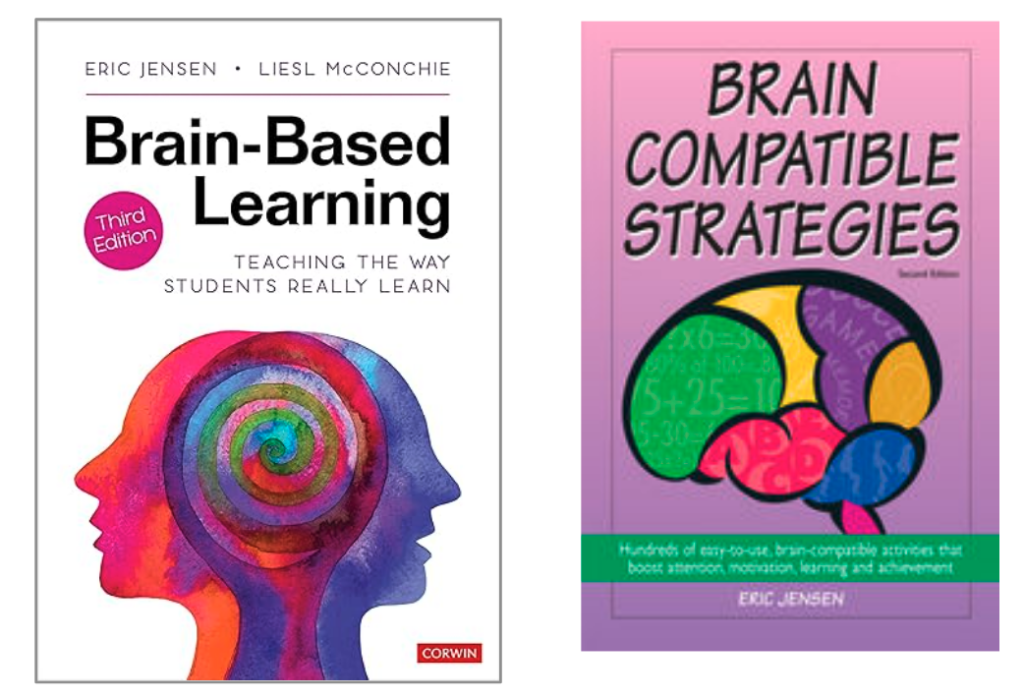
Drawing from the research of Eric Jensen (Brain-Based Learning), the hosts break down why sensory and physical items belong in the language classroom:
- Lowering the Affective Filter: Kinetic pathways and mild activities (squeezing, stretching, pressing) help soothe hyper-reactive nervous systems, lowering cortisol levels and mitigating anxiety or distraction.
- Dopamine & Curiosity: The human brain is naturally curious and loves to solve puzzles. Finding answers and manipulating physical items triggers a healthy dopamine reward.
- Tools vs. Toys: To prevent disruption, establish the baseline rule: “It’s a tool, not a toy.” If an item distracts a student visually or creates noise that impacts others, it loses its neurological purpose and should be put away.
What’s in the Box? Essential Items for Your Classroom Kit
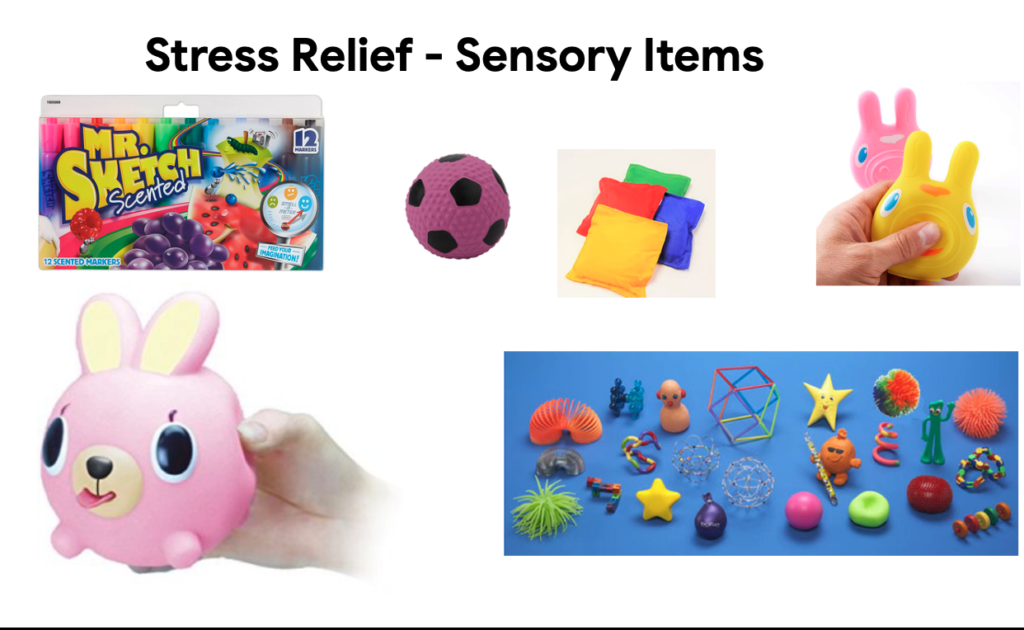
- Giant Classroom Timer
- Brain Teasers & Puzzles – Rubik’s cubes, pixel blocks, and tangrams to channel restless energy.
- “Classroom Branded” Stationery – A stack of pens or pencils customized to your class theme (e.g., “Ms. Ixchell’s Class – 2026”).
- Creative Outlets – Mr. Sketch markers, adult coloring pages, and colored pencils.
- Tech Lifesavers – Portable battery packs to ensure student devices stay charged (pro tip: ask your school to provide these!).
- Tactile & Comfort Items – Polymer squishies, plush items, or soft balls.
- Brain Fuel – Protein bars, snacks, or candy (always know your audience and dietary needs!).
Fun Finds
- Ixchell: Kurmanji Hare Gule – Asel Can
- Brent: Camp Snap Pro